







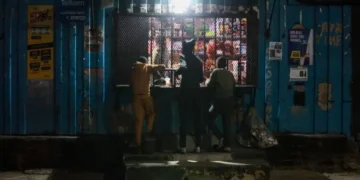

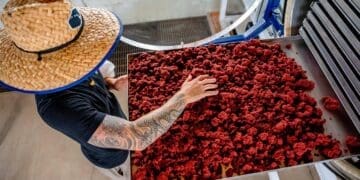

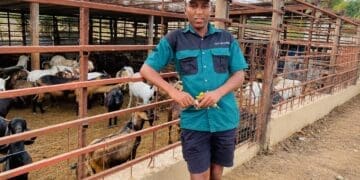



















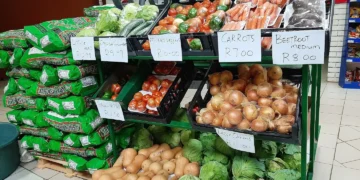




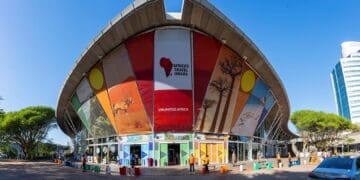













Informal traders, small-town grocers, fuel station convenience stores, and local craft operators dependent on spontaneous, on-site tourist spending are increasingly left out of the local visitor economy.
This comes as headline travel statistics point to a strong domestic holiday market in South Africa, with the latest official figures from the Department of Tourism indicating South Africans took 5.2 million domestic holiday trips in the first half of 2026.
This is a 36% year-on-year increase from the same period in 2025. Total domestic overnight trips across all travel categories reached 21.2 million, up 4% from 20.4 million trips.
However, beneath these rising trip volumes lies a stark shift in consumer behaviour: total domestic tourism spending in the first half of 2026 actually fell below 2025 levels.
Facing tight disposable income constraints, South African households are becoming hyper-deliberate about their travel budgets.
To insulate themselves against destination markups and manage overall trip costs, an increasing number of families are purchasing groceries, drinks, toiletries, and outdoor essentials at major urban bulk retailers before leaving home, rather than buying them upon arrival.
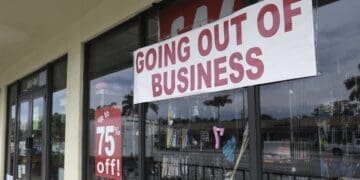
While self-catering accommodation venues, toll roads, and national parks continue to capture planned trip expenditure, the trend presents an existential squeeze for small businesses in host towns.
Bhekizizwe Mthembu, a rural tourism development consultant and SMME strategist, said local operators must pivot from selling basic commodities to offering unique, location-specific value.
“If a small-town business is trying to sell standard packaged goods or general groceries to a tourist, they will lose every time to urban bulk retailers on price,” Mthembu stated. “To capture visitor spending, destination SMMEs need to offer what travellers cannot pack ahead of time: authentic local experiences, guided tours, unique regional food offerings, and exclusive farm-to-table products. The tourism industry must recognise that high visitor volume alone no longer guarantees local economic growth; the battle now is about creating irresistible reasons for travellers to unpack their wallets once they arrive.”
Noluthando Zondi, founder of a self-catering cottage business in the KwaZulu-Natal Midlands, observed that guest arrival habits have transformed over recent seasons.
“A few years ago, guests would check in, ask where the nearest local butchery or grocery store was, and spend their first afternoon buying supplies in town,” Zondi said. “Today, almost every car arrives with loaded cool boxes, pre-bought meat, and pantry crates filled from major city supermarkets. They pay for their room, but their daily food and beverage budget never enters the local town economy. They are travelling, but they are bringing their entire supply chain with them.”
The broader economic consequence is an uneven distribution of tourism revenue within small host communities. While guesthouses maintain occupancy, secondary service providers and informal traders experience a sharp decline in foot traffic conversion.
Nomsa Masemola, an informal fruit trader and beadwork vendor operating along a high-volume tourist route in Mpumalanga, shared that increased vehicle traffic no longer guarantees daily sales.
“We see many more cars passing through during long weekends and holiday periods, but fewer people stop to buy,” Masemola explained. “When people do stop, it is usually just to stretch their legs or use the restroom, not to buy snacks, fresh produce, or crafts. They already have their cool drinks and snacks packed in the car. It creates a situation where the town looks busy with tourists, but the money in our tills does not reflect the crowd.”