











































Thabang Tlakafu rises as early as 3 am to start his daily shift as a waste picker in the streets of Johannesburg. The 50- year-old has worked as a waste picker for the past decade.
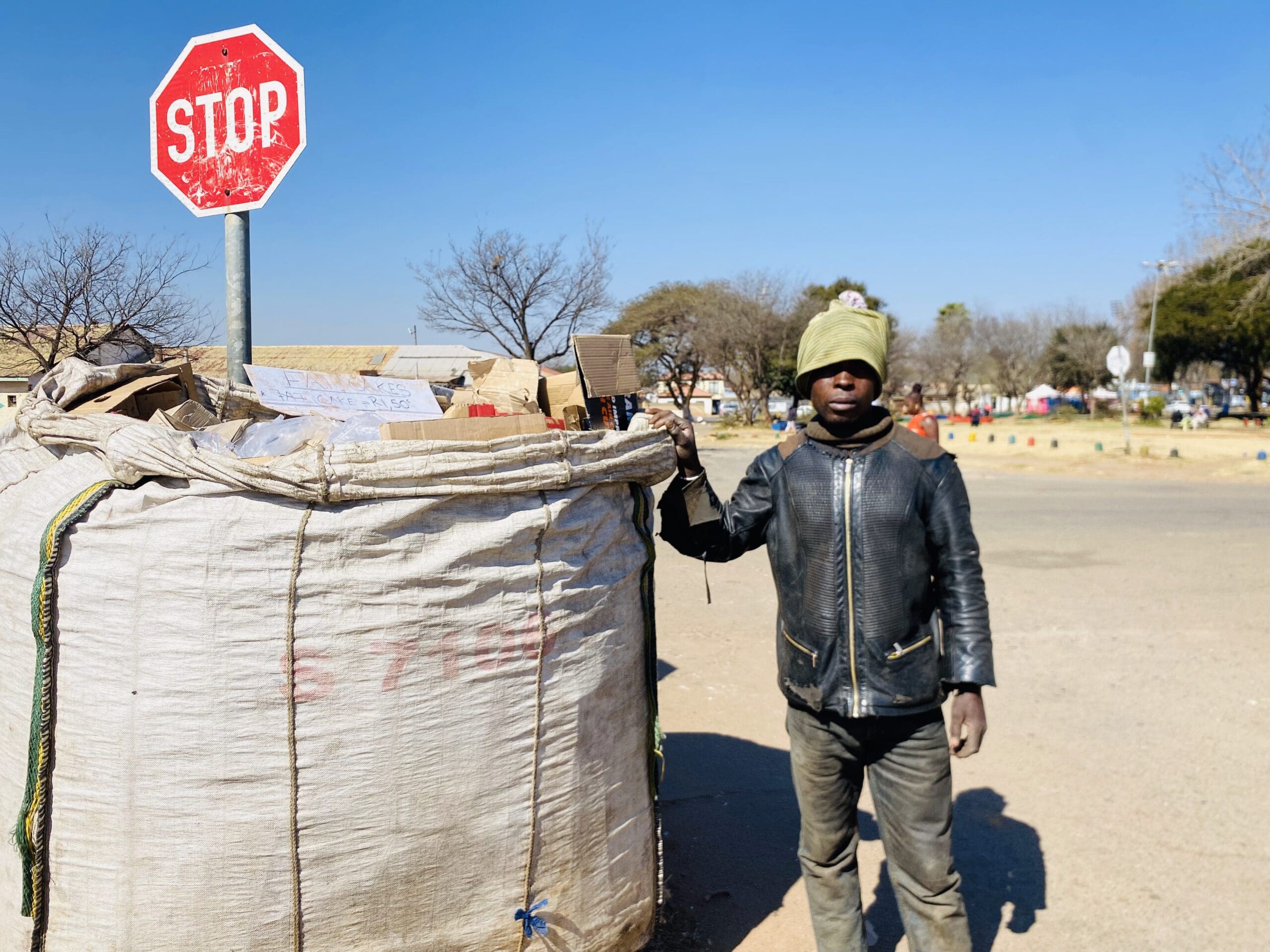
By early morning, his large woven bag, propped against a stop sign, is already half full. It holds flattened cardboard boxes, plastic buckets, sorting bags, and a heavy blanket. The roadside is both his office and his workplace.
Like thousands of other informal waste pickers in South Africa, he makes a living from what others throw away. His job is simple but tough: he collects, sorts, and sells recyclable materials.
The supply chain begins at dawn. Tlakafu travels suburban streets and township business hubs, sorting waste from spaza shops, fast-food takeaways, and residential bins. He walks between 15km and 30 km daily while pulling manual loads.
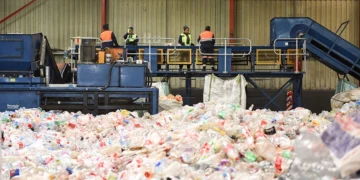
Standing next to a mountain of secondary resources, there is no shame in his posture.
‘‘I am not begging; I am offering an environmental service. I am an entrepreneur,” he states confidently.
His story reflects a massive macroeconomic trend across South Africa’s townships. With formal unemployment figures structurally locked at historic highs, the informal recycling market has become a critical social shock absorber.
It requires zero startup capital, no formal training, and no institutional permission only relentless consistency. Another fragment of waste is converted into capital.
The operational challenges are severe. Without specialised transport, pull-cart operators drag loads weighing up to 200 kilograms over several kilometres to reach depots. Price volatility at buy-back centres also means their daily income can drop overnight without warning.
South Africa’s paper packaging recycling rate sits near 70%, heavily driven by informal collection.
“I collect cardboard, plastic, and cans. Whatever the buy-back centres want. The work breaks your back, but it keeps the business on,” he said.
Once his bulk bags are packed tight, they are transported to local recycling depots or mobile buy-back centres.
The commercial transactions are strictly volume- and weight-dependent. Cardboard and plastic are weighed on industrial platform scales, and a fully compressed bulk bag can net anywhere between R1000 and R3000 depending on market price fluctuations.
He uses a blanket to protect his stock from evening dew. The macroeconomics of waste pickers like him form the foundational spine of South Africa’s circular economy, yet they operate entirely within the survivalist informal bracket.
According to industry data from GreenCape and the African Reclaimers Organisation (ARO), informal waste pickers collect up to 90% of all post-consumer packaging and paper recycled in South Africa.
This informal workforce saves municipalities up to R750 million annually in landfill space and tipping fees. However, despite keeping the streets clean, they operate with zero institutional support. There is no basic salary, no safety net, and no corporate backing.
“If it rains, your stock is ruined, and you don’t eat. But it is still better than waiting for a job that isn’t coming,” he said.