



































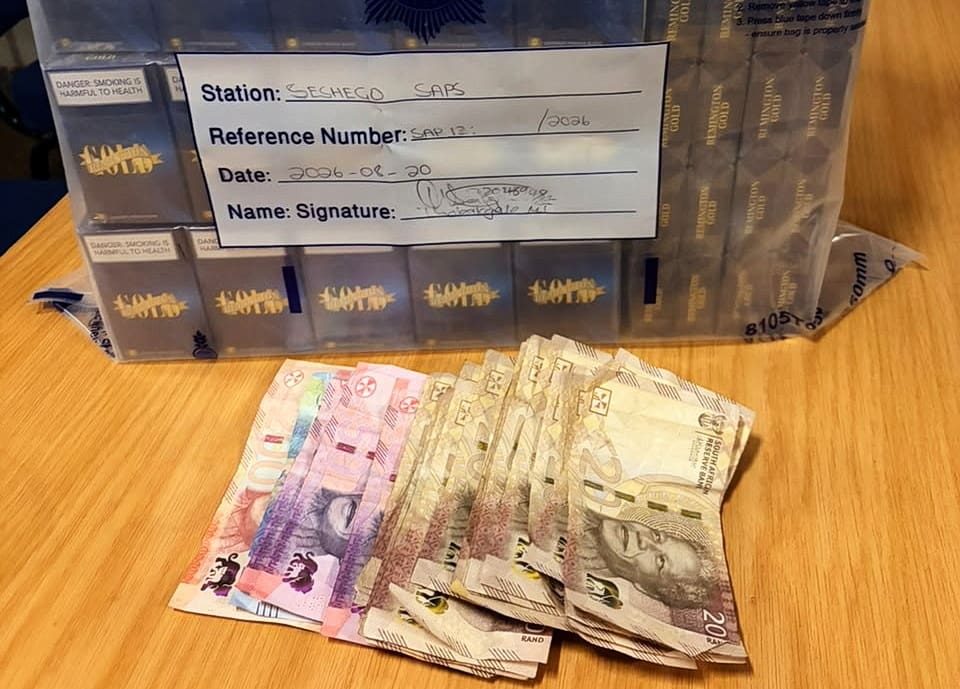
Illegal cigarettes, alcohol, counterfeit goods, and illicit fuel are costing legitimate businesses revenue and market share as South Africa’s illicit economy grows to an estimated R800 billion to R1.2 trillion.
The issue was highlighted at the launch of the Consumer Goods Council of South Africa’s (CGCSA) Your Choice Has Power campaign in Johannesburg recently, where industry leaders warned that illicit trade is hurting businesses, destroying jobs, and putting consumers at risk.
CGCSA CEO Zinhle Tyikwe said the illicit economy has grown from about 5% of gross domestic product two decades ago to between 12% and 15% today.
She said the wider economy could be losing between R200 billion and R300 billion in revenue, while a CGCSA study covering 11 key sectors found that about R68 billion in revenue is lost to government each year because of counterfeit and illicit goods.
“The illicit economy and trade are bypassing legitimate businesses,” Tyikwe said.
Legal businesses lose market share
Businesses running legally must pay taxes, wages, rent, and other costs while meeting safety and regulatory requirements. Illegal operators can avoid many of these costs and sell products at lower prices.
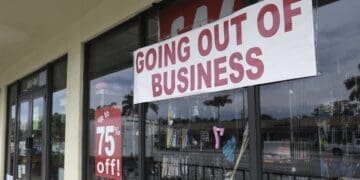
Tyikwe said the pressure was already affecting investment decisions, with legitimate businesses losing market share and delaying or reducing expansion plans.
The impact can also move through entire supply chains.
British American Tobacco South Africa has linked illicit cigarette trade to the closure of its Heidelberg factory, which is expected to affect about 230 employees.
Johnny Moloto, head of corporate and regulatory affairs at BAT Sub-Saharan Africa, said the damage reaches beyond the factory.
“If you look at our farmers, for example, from 2019 we have lost 43% of land under cultivation of tobacco, 2,700 jobs lost, and 8,000 livelihoods impacted,” Moloto said.
The closure shows how illicit trade can affect manufacturers as well as farmers, workers, suppliers, and other businesses connected to the industry.
Pressure spreads across sectors
The alcohol industry is also feeling the impact. Angela Russell, CEO of the Drinks Federation of South Africa, said illicit alcohol trade has grown by 55%.
A consumer study involving 700 people found that 83% were concerned about the health risks of illicit and counterfeit alcohol, but 67% said they would still buy these products because they were cheaper.
Russell said the price difference was a major reason consumers continued buying illicit products.
“Illicit and counterfeit alcohol is often chosen because it is cheaper,” she said, adding that the lower price comes “at a cost to both consumer safety and lawful trade.”
Frank Farrell of non-profit organisation SATAGA said 61,000 counterfeit party goods, with an estimated retail value of between R6 million and R8 million, were seized during an operation in KwaZulu-Natal.
“The risk that one faces is these counterfeit products are completely unregulated. There is no health and safety testing that is done,” Farrell said.
He warned that the products could contain harmful substances such as lead, mercury, and phthalates, while also creating choking and fire risks.
Avhapfani Tshifularo, CEO of the Fuels Industry Association of South Africa, raised concerns about paraffin being illegally mixed with diesel and sold through illicit outlets. He warned that the practice can damage vehicle engines.
Businesses and consumers have a role
Law enforcement agencies have increased operations against illicit trade. In July, more than R27 million worth of counterfeit and illicit goods were seized during major operations.
But industry leaders say seizures alone will not solve the problem.
Tyikwe urged consumers to think about where their money goes when they buy cheaper illicit products.
“Your choice has power,” she said. “If you suspect goods might be illegal, don’t buy them, and report it to the authorities.”
Businesses can also reduce their exposure by checking suppliers, verifying products, and making sure goods entering their supply chains are genuine.