











































Small businesses will have access to a R1 billion funding and support programme aimed at helping enterprises expand and create 30 000 jobs over five years.
The fund, launched by the Unemployment Insurance Fund (UIF) and National Empowerment Fund (NEF) in Johannesburg, will combine R500 million from each agency to support businesses and stimulate enterprise growth.
The NEF will implement the five-year programme and oversee its progress and accountability for the investment.
UIF acting commissioner Thulani Tshefuta said the partnership was designed in response to the funding challenges faced by small businesses, with the programme going beyond simply providing capital.
“This instrument therefore aims to respond to the plight of small businesses,” Tshefuta said.
The fund will combine financial support with enterprise and skills development, employment support and technical assistance, with the two institutions pooling resources and expertise to increase the impact of the investment.
Linking business support to jobs
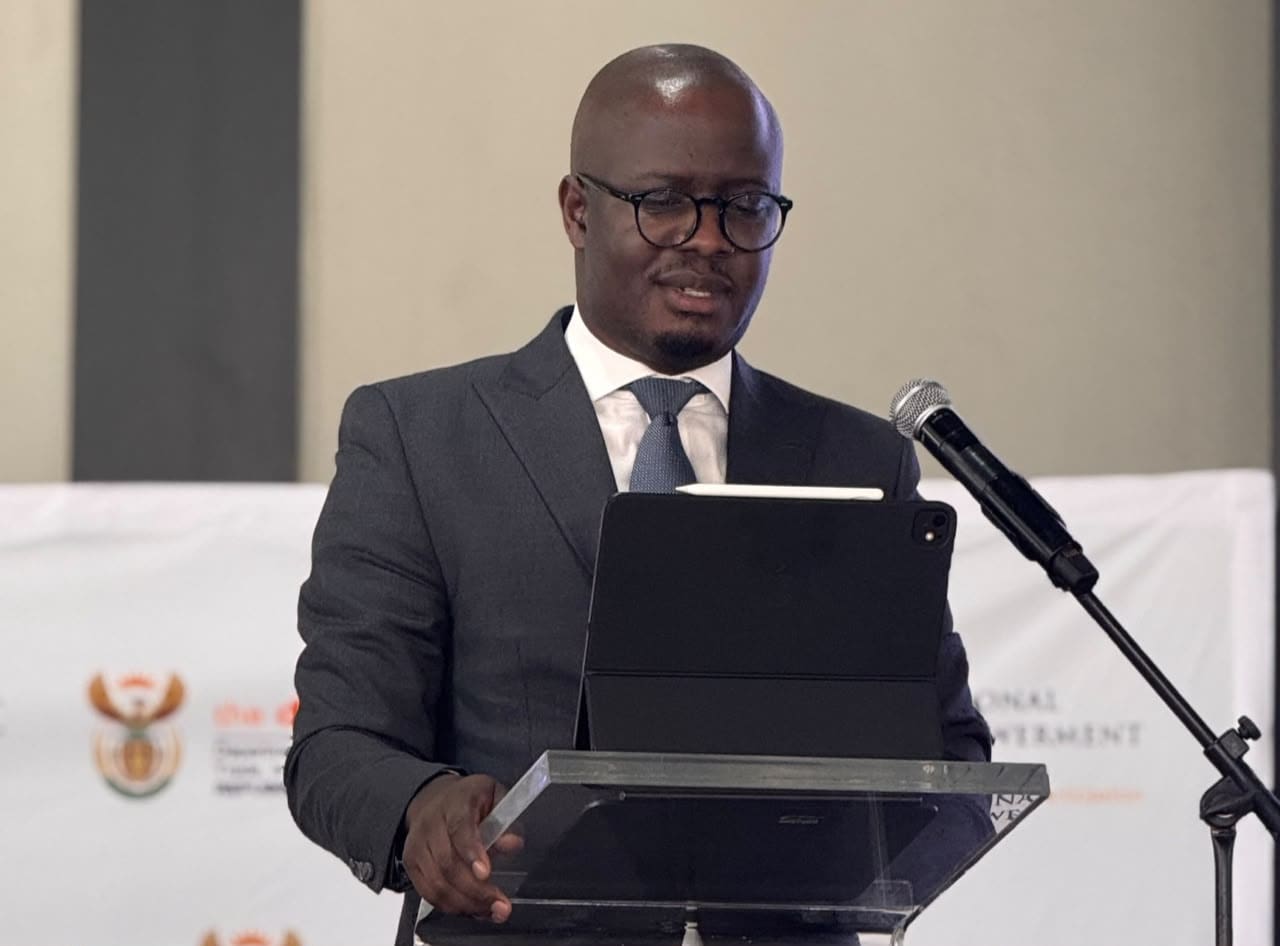
Deputy Minister of Trade, Industry and Competition Zuko Godlimpi said enterprise development must form part of the country’s broader employment strategy.
“The scale of unemployment in the country requires greater coordination between institutions responsible for employment, skills development, enterprise finance, industrial development and economic infrastructure,” Godlimpi said.
Godlimpi said the partnership is designed to link enterprise support to employment outcomes rather than focus only on financial assistance.
The fund will combine finance with business development, skills development, mentorship and technical assistance aimed at helping enterprises strengthen their operations and sustain employment.
He said this approach was particularly important for young people, arguing that youth employment cannot depend solely on filling vacancies in existing businesses.
“South Africa must also expand the number of enterprises capable of creating those opportunities,” he said.
The initiative brings together agencies with different mandates. The UIF, under the Department of Employment and Labour, focuses on labour activation and employment, while the NEF, an agency of the dtic, provides enterprise finance.
Godlimpi said the broader dtic group also has instruments covering industrial development, investment, trade and enterprise development, while other entities can contribute skills, infrastructure and sector development support.
Focus on sustainable enterprises
The programme will target a broad range of South African enterprises, with at least 70% of programmes intended to benefit businesses owned by women, young people and people with disabilities.
Township, rural and other underserved enterprises will also receive dedicated attention.
Priority sectors include tourism, agriculture, beauty and digital businesses, which Tshefuta identified as areas with potential to contribute to economic growth and employment.
For businesses in these sectors, the funding is intended to support growth while addressing some of the constraints that prevent enterprises from expanding and creating jobs.
Godlimpi said the government wants the partnership to help businesses increase their productive capacity, enter new markets and participate in value chains.
He highlighted the importance of the programme’s matching and leveraging approach, which seeks to combine resources across institutions to increase the impact of enterprise support.
He said the objective was to develop enterprises that can become sustainable competitors and create jobs over time.
“This partnership provides an opportunity to demonstrate that institutions with different mandates can combine their resources and capabilities around a shared objective,” Godlimpi said.