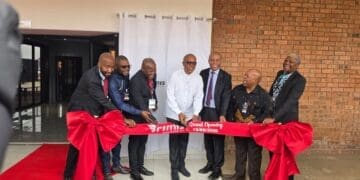
A transformative industrialisation project valued at an estimated R100 billion has officially commenced in Phuthaditjhaba, positioning the Free State as a national hub for renewable energy and electric vehicle manufacturing.
The initiative is anchored on a strategic partnership between the Free State Development Corporation (FDC) and high-tech Chinese manufacturer YJC Group (Yujiaocheng Technology Co.), alongside electric vehicle partner Joy Long (Jiulong Intelligent Mobility). The initial phase is backed by a signed memorandum of understanding (MOU) valued at R20 billion.
Operating out of Shenzhen, YJC specialises in new energy ecosystems, power pouch cells, and energy storage technologies. This technological expertise is set to revitalise the Maluti-A-Phofung Special Economic Zone (MAP-SEZ), spanning the Tshiame and Harrismith areas.
Centred along the strategic N3 corridor between Johannesburg and Durban, the SEZ has long awaited an anchor tenant of this scale to attract a robust supply chain and stimulate industrial activity.
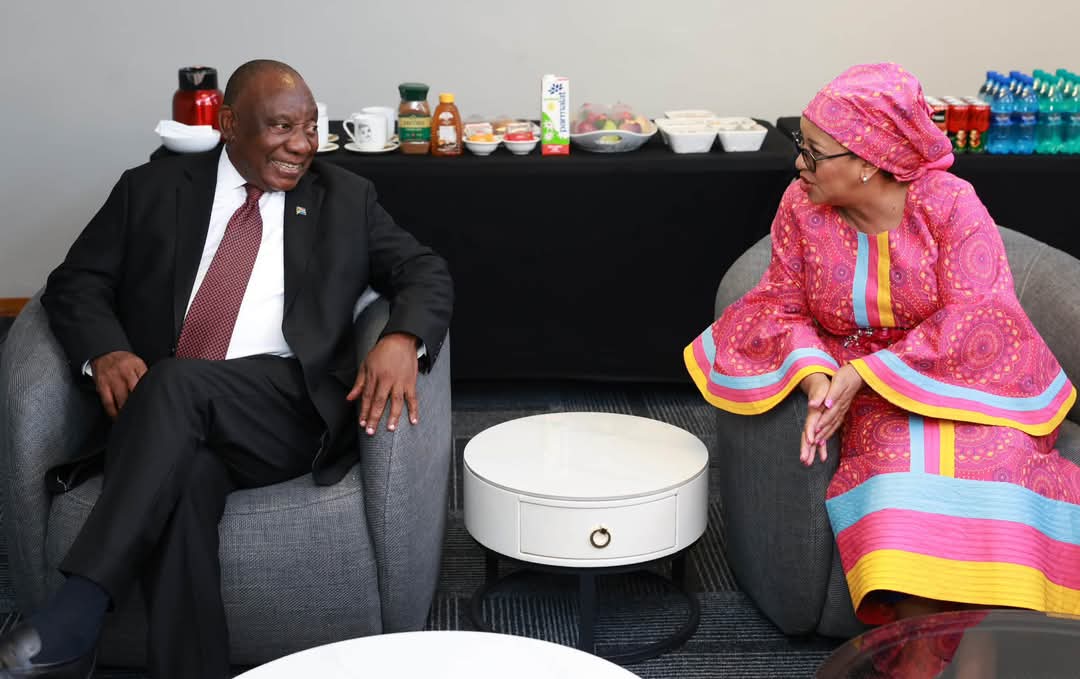
President Cyril Ramaphosa said during the official launch of the Free State Catalytic Investment and Industrialisation Project in Phuthaditjhaba that good and reliable infrastructure attracts investors.
“The quality of municipal services influences where companies invest. Today, we are here to launch a provincial programme for catalytic investment and industrialisation. It is a demonstration of confidence in the provincial economy,” Ramaphosa said.
“A factory depends on far more than its production line. It needs to be part of a broader value chain. A factory buys components, materials and packaging. It needs maintenance, cleaning, security, professional services and transport. Our established manufacturers and our small- and medium-sized enterprises should prepare to meet these needs,” he said.
Free State Premier MaQueen Letsoha-Mathae’s noted that lack of meaningful participation in the economy creates conditions in which people become vulnerable to all manner of social ills.
“The consequences can be devastating. The youth turn to crime, drugs and alcohol. As responsible leaders of government, we cannot fold our arms and watch this tragedy unfold,”she said.
Prof Moeketsi Mosola, CEO of the FDC and MAP-SEZ, noted that the project’s core objective is to drive provincial economic growth by establishing a solid industrial base. The venture brings together national, provincial, and local entities, infrastructure providers, and local business delegations from all 35 wards of Maluti-A-Phofung.
Beyond vehicle manufacturing, the project is structured to integrate local businesses into the supply chain. Planners and executives have emphasised the importance of localised procurement, technology transfer, and skills development.
The framework aims to open commercial opportunities for regional agricultural growers, transport operators, packaging suppliers, technicians, and service distributors.
By targeting emerging producers and small enterprises, the industrialisation drive intends to bridge compliance and industry requirements, ensuring sustainable economic participation.
Local stakeholders anticipate that the influx of foreign direct investment, combined with structured supplier development, will create thousands of sustainable economic opportunities across the province and firmly anchor the Free State within the green energy economy.