
















































Small businesses often face challenges in reaching a wider customer base and competing in South Africa’s retail market.
However, partnerships with established retailers such as Markham, Pick n Pay and Food Lovers Market could create opportunities for small, medium and micro enterprises (SMMEs) to expand their businesses, increase sales and create jobs.
The requirements small businesses must meet to secure retail partnerships, including product quality, certification and production capacity, as well as the potential benefits and challenges of working with major retail stores.
According to Markham, the culmination of such a partnership is based on the retailer’s development programme that aims to provide support to young entrepreneurs as they expand their commercial footprint in the highly competitive retail landscape.

Sbusiso Ngwenya was known for the brand Skinny Sbu Socks when he began his business in 2013 with just R70 and an eye for fashion. His brand began to grow bigger and attract more high profile customers like Maps Maponyane and Tumisho Masha.
In early 2018, he struck an exclusive distribution deal with Markham, a retail store of The Foschini Group (TFG).
TFG approved the brand through a targeted supplier/retailer development programme, launching Skinny Sbu Socks across an initial trial batch of 20 Markham stores nationwide.
The requirements which the brand met were core principles of Markham, and it also passed the trial testing phase, which was a 5-month trial. The young designer described the Markham deal as a game changer.
“It’s unheard of in the South African retail or fashion space that you have a young brand which is only focused on one type of apparel, being given so many stores in which to distribute a product,” Ngwenya said.
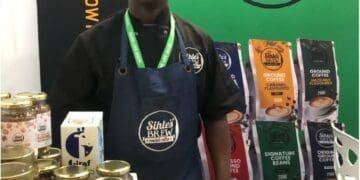
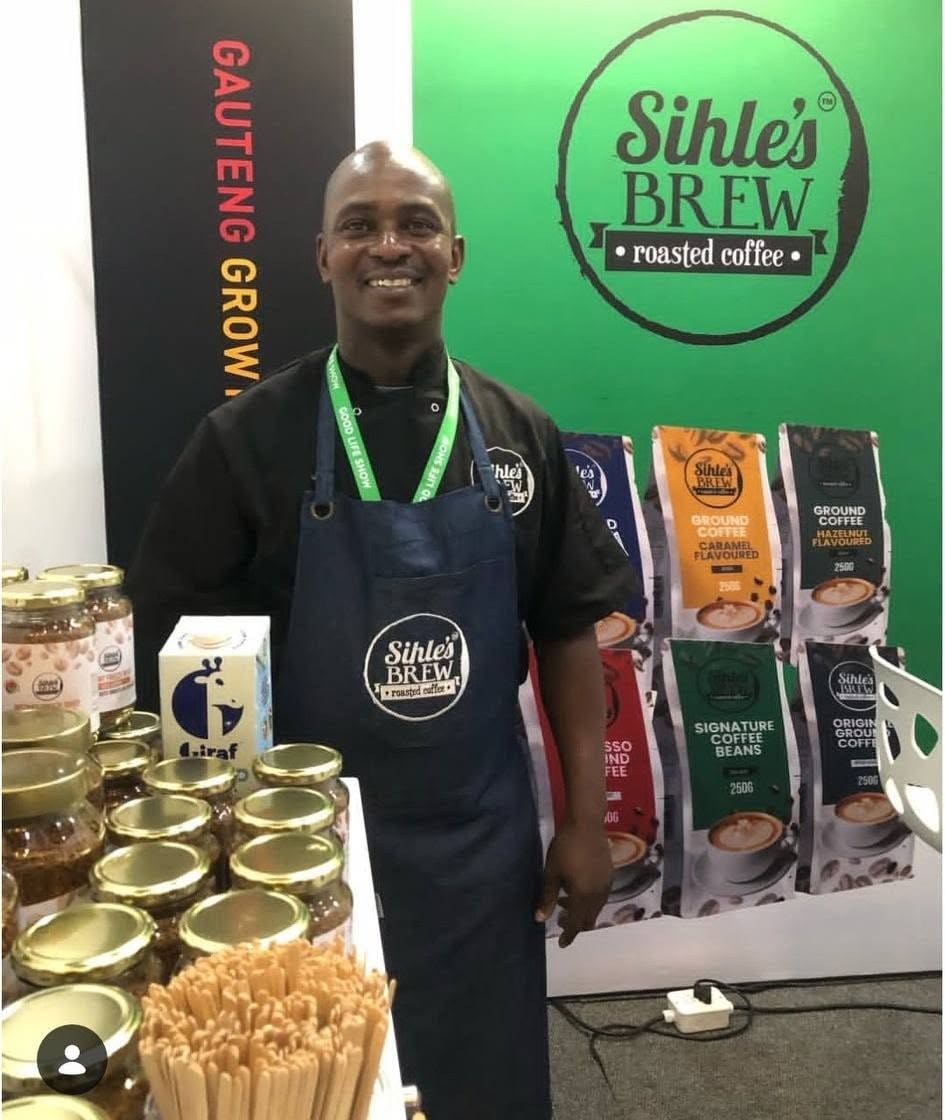
Another business that had an exposure to collaborating with big retailers was Sihle Brew, a business by Sihle Magubane. Magubane worked for several years to secure partnerships with major retailers such as Pick n Pay, Spar and Food Lover’s Market.
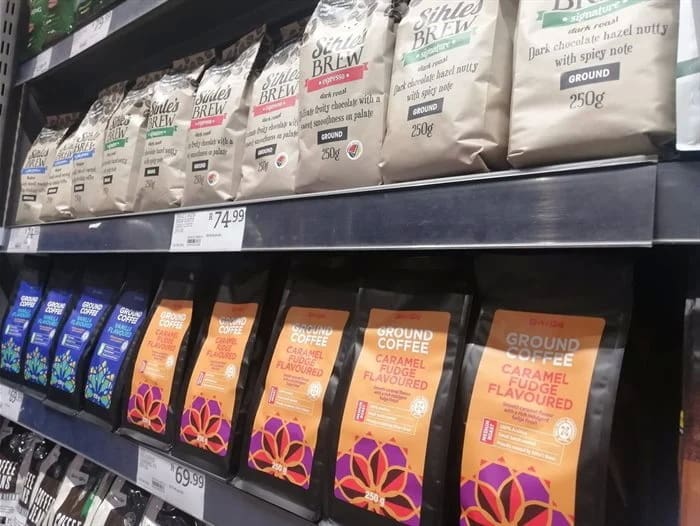
The company obtained ISO food safety certification, complied with strict packaging and labelling standards, and maintained consistent quality by sourcing A-grade coffee beans from African countries, including Ethiopia, Kenya and Tanzania.
Through retail supplier development programmes, particularly Pick n Pay’s Enterprise and Supplier Development initiative, his business received guidance on compliance and product listing processes.
He attended various workshops hosted by Pick n Pay’s Enterprise & Supplier Development programme, which helped his small supplies to get onto the shelf. Sihle’s Brew coffee got its break when Pick n Pay listed four products in August 2021.
“When I started, I was roasting coffee once a week and doing around 5-10kg a month. Now I am roasting over 2,000kg of coffee every day for Pick n Pay alone,” Magubane said.
Authorities have urged business owners to comply with municipal by-laws, health and safety regulations, and other legal requirements to avoid penalties and closures.