

































By Keletso Mkhwanazi
Municipal infrastructure failures and severe water cuts have replaced load shedding as the ultimate daily business killer for township SMMEs in Gauteng. Hair salons, laundromats, and car washes are hit hardest.
Unlike large malls equipped with boreholes, generators, and JoJo tanks, township service providers rely directly on municipal utilities. No water means no operations and zero income for these businesses.
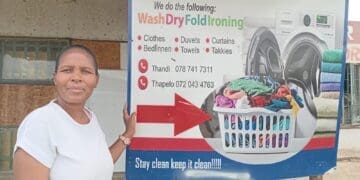
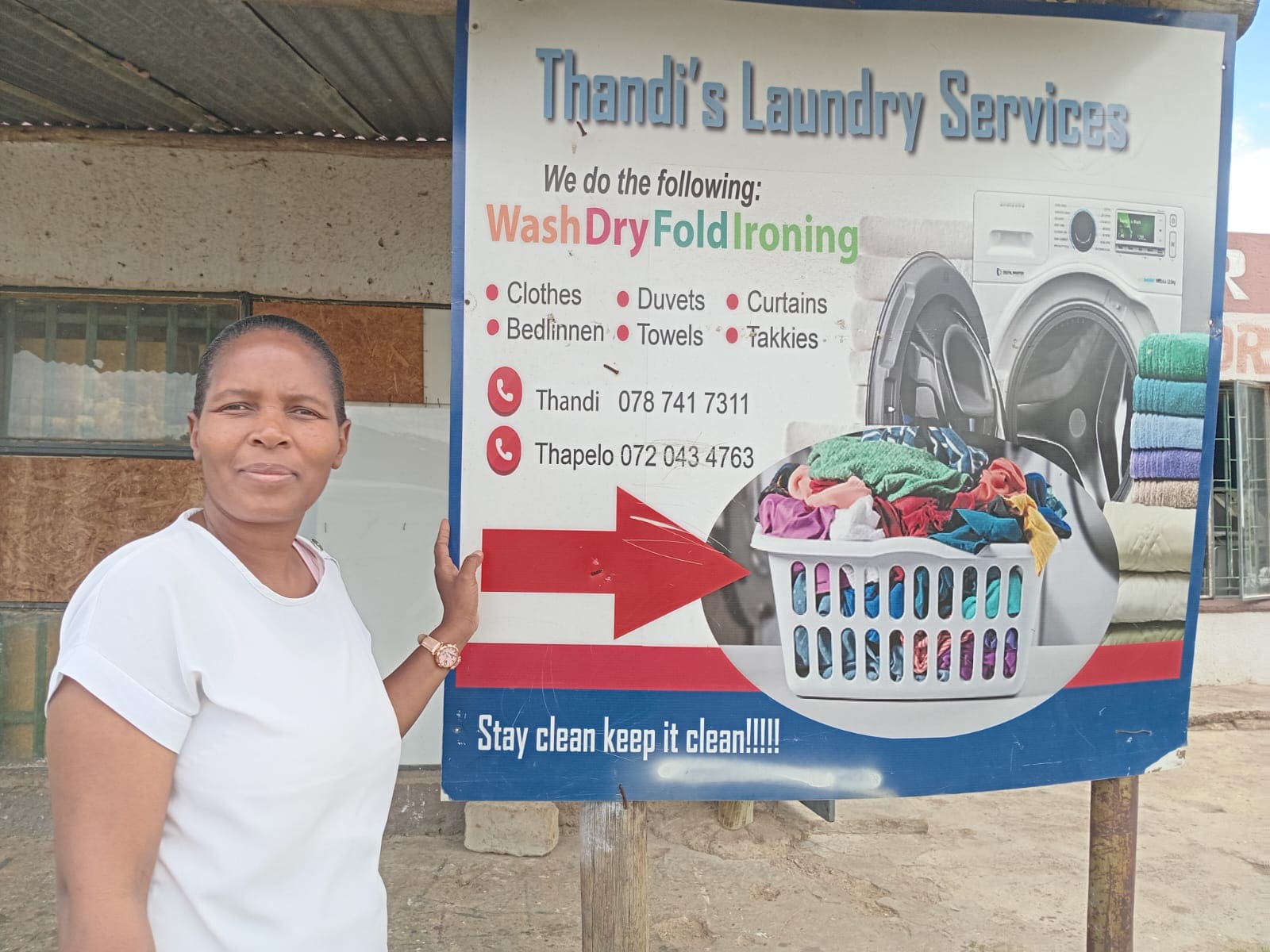
“When there is no water, I am forced to use my vehicle to collect water from someone with a borehole,” Thandi Tshabalala, who runs Thandi’s Laundry & Window Cleaning Services Pty Ltd.
The business has operated in Stinkwater, a peri-urban settlement in Hammanskraal under the City of Tshwane for over seven years.
The business serves teachers, students, professionals, guest houses, and catering companies, offering convenient pickup and delivery services alongside its physical storefront.
However, severe water shortages threaten its survival. Although she eventually installed a JoJo tank, municipal water tankers are unreliable and expensive, costing R300 per refill. This eats directly into profits that must also cover a driver, an assistant, and a landlord, compounding the pressure on her two permanent and two part-time staff members.
Electricity presents another hurdle. While load shedding has decreased, high electricity tariffs in Tshwane strain operations running nine heavy-duty machines, including irons and dryers.
Raising prices risks alienating cost-sensitive local clients. Looking toward upcoming local elections, Tshabalala hopes to vote for better infrastructure leadership, reliable water service delivery, and direct support for women in small businesses.
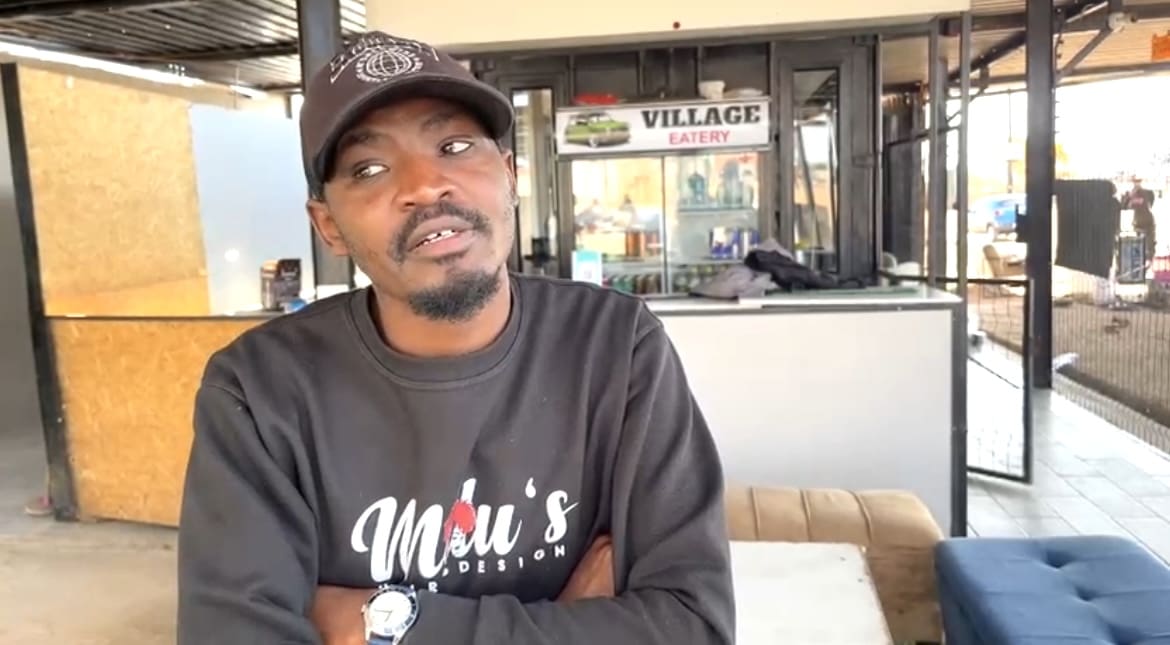
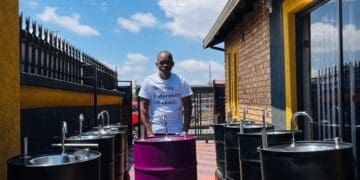
A similar struggle faces Mdu Hair Design and car wash located in Unit D. Combining a salon, restaurant, and car wash under one roof, the business has completely abandoned reliance on City water since 2019.
Co-founder and manager Mdu Ndlovu notes that the greatest obstacle is the City of Tshwane’s failure to provide structured water-shedding plans or business support.
Water procurement alone costs the business up to R6,000 monthly on top of sustaining a payroll that includes six salon employees alone. Furthermore, new municipal bylaws complicate compliance.
With elections approaching, Ndlovu says their primary need is not capital, but secure land, permits, or lease agreements. Access to dedicated business sites would allow them to expand, generate profits, and hire more workers.
Ndlovu urges the municipality to establish proper communication protocols for utility outages so businesses can proactively plan around disruptions.
In response, City of Tshwane spokesperson Lindela Mashego stated that interim relief and service interruptions are communicated through approved public channels. However, he noted that the City cannot provide financial compensation, generators, or direct relief unless explicitly authorized by applicable municipal bylaws and legislative frameworks.