





































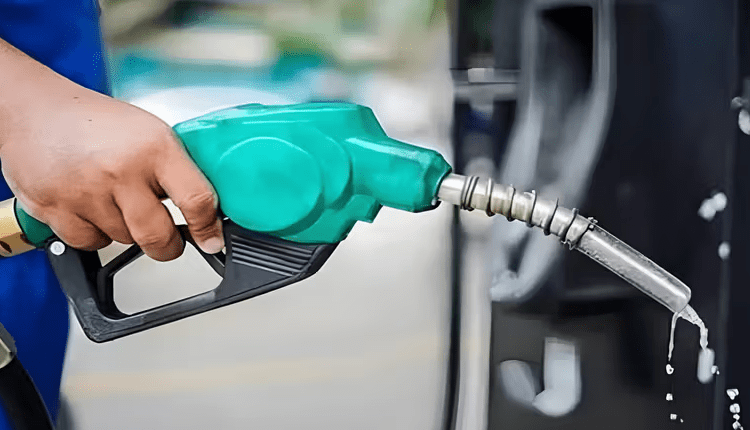
Small businesses that rely on deliveries, transport and regular travel could get some relief during the festive season if projected petrol price cuts materialise in December.
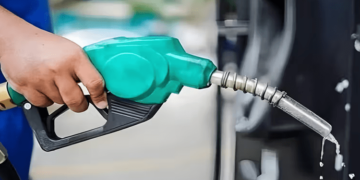
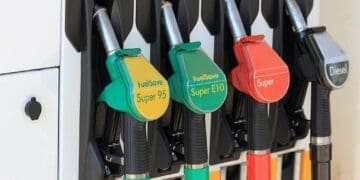
Petrol prices could fall by more than R3 per litre, according to Investec chief economist Annabel Bishop, as lower international oil prices improve South Africa’s fuel price outlook.
The possible reduction comes as businesses prepare for increased festive-season activity, including higher demand for food, accommodation, transport and deliveries.
For small retailers, restaurants, guest houses and delivery operators, fuel is an important operating expense, particularly when they need to move stock, deliver orders or travel to customers.
Bishop said the decline in international oil prices had helped improve the outlook for local fuel prices.
Brent crude oil, which was trading close to $120 per barrel in October, has since fallen below $90.
“The oil price is still expected to be near, if somewhat above, $90/bbl for the remainder of the year, but is expected to fall next year to near $75/bbl,” Bishop said.
South Africa’s fuel prices are influenced by international petroleum product prices and the rand’s performance against the US dollar.
Petrol could see a bigger reduction than diesel
The latest Central Energy Fund (CEF) data show an over-recovery of between R3.71 and R3.93 per litre for petrol grades 93 and 95.
However, the expected savings will be affected by changes to the temporary general fuel levy relief introduced by National Treasury.
From December 2, the petrol levy relief is scheduled to decrease from R1.50 to R1 per litre. This means 50 cents per litre will be added back to the fuel price.
After accounting for this change, petrol could become cheaper by between R3.21 and R3.43 per litre, before other monthly adjustments.
Diesel motorists are expected to see smaller reductions. The CEF projections indicate over-recoveries of between R1.93 and R2.38 per litre, but the scheduled R1.50 levy adjustment will reduce the savings.
“The diesel price is seeing a much lower over-recovery, of close to R2.00/litre,” Bishop said.
The final adjustments will depend on movements in international fuel prices and the exchange rate before the official announcement.
Festive season could bring some relief for businesses
December is an important trading period for small businesses, particularly those in tourism, hospitality, food and retail.
Accommodation businesses such as Dei Gratia Guest House in Limpopo could also benefit from lower petrol prices. The guest house may spend less on fuel when travelling to collect supplies, transport staff or provide transport services to guests.
With more people travelling during the festive season, accommodation businesses also prepare for increased bookings and the additional costs that come with serving more visitors.
Lower fuel prices could help businesses manage some of these expenses, leaving more room in their budgets for other operating needs.
Restaurants and food businesses could also benefit if they use petrol-powered vehicles to collect ingredients, transport staff or deliver orders.
However, the savings will differ between businesses. Those using diesel-powered vehicles may see smaller reductions, while businesses that do not rely heavily on transport may experience little direct benefit.
Lower fuel prices also do not automatically mean cheaper goods or deliveries, as businesses still have to account for electricity, rent, wages and supplier costs.
The possible reduction could offer some breathing room during the busy trading period, but it is unlikely to resolve the wider cost pressures facing small businesses.
The official fuel price announcement is expected towards the end of November, with the new prices scheduled to take effect on December 2.