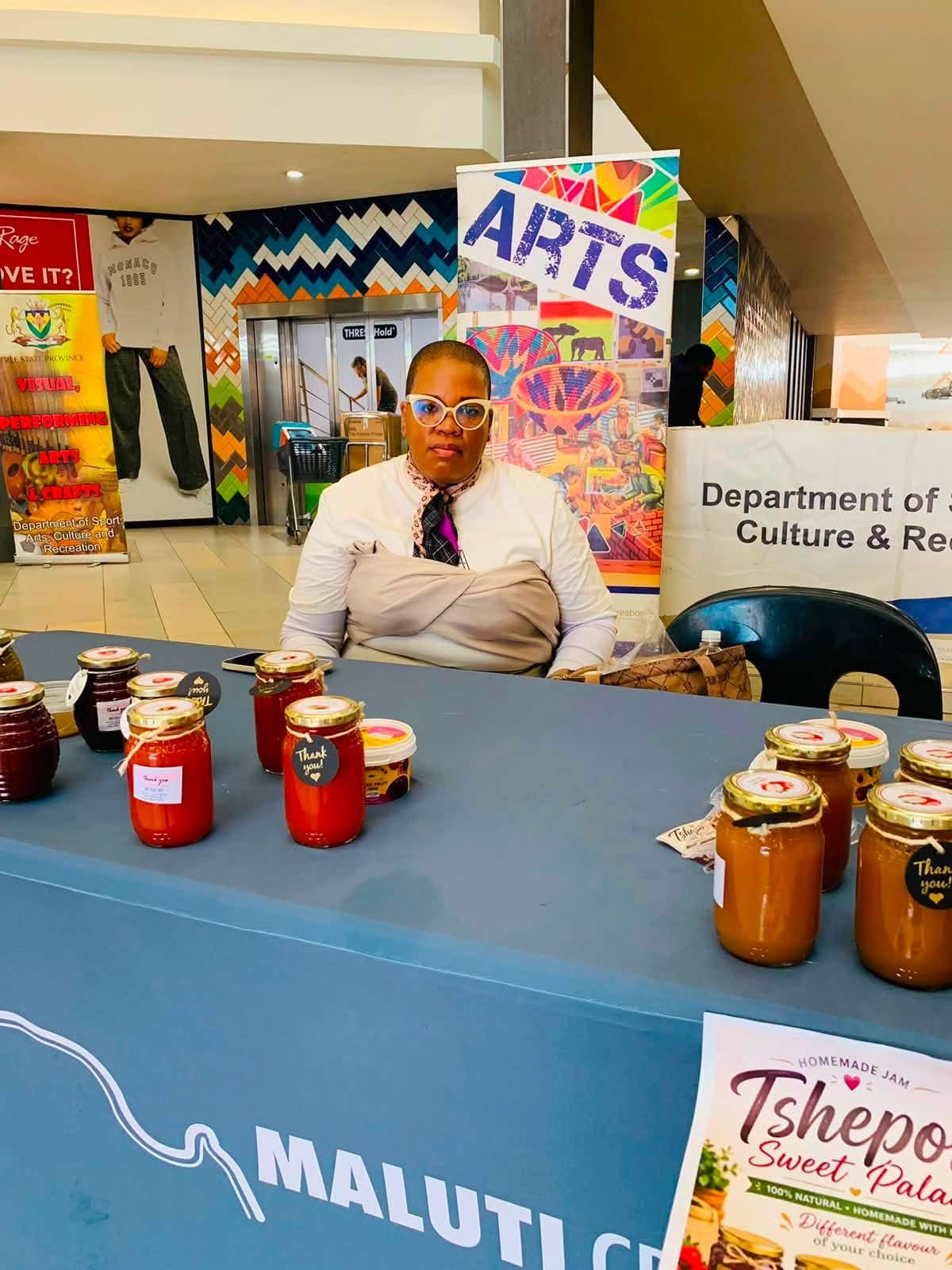
What started as a simple experiment with oranges from her father’s backyard tree has grown into a promising enterprise for 43-year-old Tshepo Alphoncinah Macheli. Today, she is the founder of Tshepo Sweet Palace, an artisanal jam business operating out of QwaQwa in the Free State.
Macheli’s journey into entrepreneurship began in September last year. After turning surplus oranges into homemade jam, she shared a sample with her work colleagues. Impressed by the unique taste, one colleague encouraged her to sell it—sparking the motivation Macheli needed to take the idea seriously and begin experimenting with a wider variety of fruits.
Overcoming economic hurdles
A qualified educator, Macheli completed her degree in 2023 but has struggled to secure a permanent teaching position since 2024. Building Tshepo Sweet Palace provided a vital alternative to generate income and maintain financial stability while she continues pursuing her teaching career.
However, operating in a tough economic environment presents continuous hurdles. With high unemployment in her local community, jam is often viewed as a luxury rather than a daily essential. Compounding this challenge is the rising cost of ingredients, glass packaging, and transport, which tightens profit margins while she works to keep prices affordable.
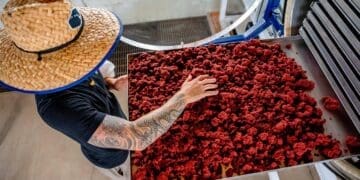
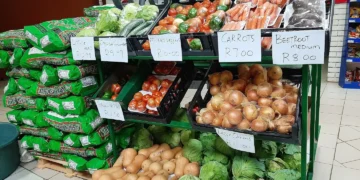
Sourcing raw materials locally in QwaQwa is another ongoing obstacle. Speciality fruits—such as pawpaw, figs, cherries, and raspberries—along with glass jars, are frequently out of stock locally. Macheli often has to travel long distances to source inventory, significantly adding to her production overheads.
Unlocking Value in the South African Jam Market
South Africa’s jams and preserves market represents a multi-million rand industry driven by steady consumer demand for breakfast staples, baked goods, and artisanal foods. While commercial shelves are dominated by major corporate brands, budding entrepreneurs can make inroads by targeting premium, niche segments. 
Emerging producers can differentiate themselves by focusing on organic, low-sugar, or unique indigenous fruit pairings that mainstream mass manufacturers overlook.
Building a loyal local customer base through farmers’ markets and social media creates a proof-of-concept, laying the groundwork to approach boutique grocers and secure shelf placement in independent retail stores before scaling up to national chains.
Producers like Macheli can benefit from the government’s Agriculture and Agro-processing Master Plan (AAMP), which aims to build an inclusive, competitive, and climate-resilient agricultural sector by driving transformation and ensuring national food security.
https://www.namc.co.za/home-old/resources/
Supported by an enabling policy environment and targeted state capacity, the plan accelerates market access, fosters innovation through infrastructure and digitalisation, and provides targeted incentives for farmers and agro-processors.
Focusing on quality and long-term impact
Despite supply chain bottlenecks, Macheli remains resilient. To stand out, Tshepo Sweet Palace focuses on producing high-quality, natural jams prepared in small batches without artificial colours or flavours. Her current lineup serves families, neighbours, and local patrons through social media sales, farmers’ markets, and community events.
To make the business more sustainable, Macheli is actively seeking reliable wholesale suppliers and exploring ways to buy packaging in bulk. She prepares each batch by hand using simple equipment, ensuring strict hygiene standards while planning for future expansion into automated machinery.
Ultimately, Macheli views Tshepo Sweet Palace as more than just an income stream. Her vision is to build a recognised local brand that eventually supplies major retail stores across South Africa, creating much-needed local jobs in production, packaging, and distribution.