





























Guesthouse and lodge owners face the challenge of maintaining their facilities even when rooms are unoccupied. Electricity, water, cleaning products, laundry, security and staff salaries remain monthly expenses, regardless of how many visitors they accommodate.
A fully booked guesthouse does not necessarily translate into a profitable month, while a busy tour operator may still struggle to make ends meet when fuel, vehicle maintenance and other operating expenses consume a significant portion of the income.
Keeping their businesses operational is becoming increasingly expensive for small tourism operators in Mpumalanga as rising electricity, water, fuel and food costs continue to eat into profits. But with the festive season around te corner, tourism and hospitality businesses are hoping to cash in.
Sibonga Ntshona, owner of The Prince Guesthouse says increasing accommodation rates may appear to be the most straightforward response to rising expenses. However, higher prices could discourage price-sensitive travellers and push potential customers towards more affordable alternatives.
“You cannot simply increase your prices every time your expenses go up. Customers also have budgets, and you risk losing bookings if your accommodation becomes too expensive. Sometimes you have to absorb the extra costs, even when it means making less profit,” says Ntshona.
This leaves accommodation businesses having to balance affordability with profitability while maintaining the quality of services expected by their guests.
Maintenance increases tour operating costs
Independent tour operators are also feeling the pressure, particularly because their businesses depend heavily on transport to take visitors to tourism attractions across Mpumalanga.
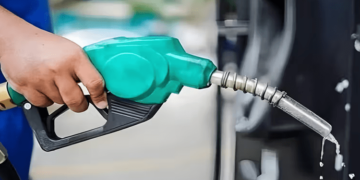
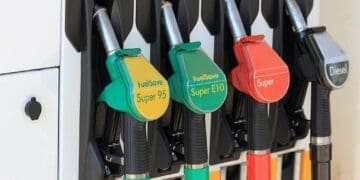
Fuel, vehicle servicing, tyres, insurance and general maintenance all contribute to the cost of operating tours. As these expenses increase, operators are forced to reconsider their prices, routes and the number of trips they can afford to offer.
Muzi Mnisi, a tour operator at Kuno Tours, says fuel is among the biggest expenses facing the business. “Fuel is one of the biggest expenses in this business. You can have customers booking your tours, but after paying for fuel and maintaining your vehicle, the money left over is not always what you expected,” says Mnisi.
Rising expenses threaten business growth and job creation
Beyond their immediate financial impact, increasing operating costs are also affecting the ability of tourism SMMEs to expand.
Money that could otherwise be invested in employing additional workers, improving facilities, purchasing equipment or introducing new services is increasingly being redirected towards keeping existing operations running.
This creates a difficult position for small tourism entrepreneurs who want to grow their businesses but must prioritise financial survival.
The pressure is particularly concerning for businesses that experience seasonal fluctuations in visitor numbers. During quieter months, fewer bookings translate into reduced income, but fixed expenses such as rent, salaries, security and utilities continue.