
































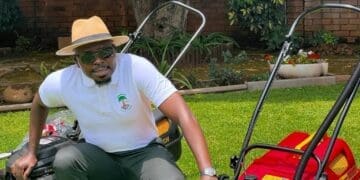




i4 Wildlife, a Kimberley-based wildlife services company led by founder Rudi Williams, is emerging as part of a small but growing group of black-owned businesses operating within South Africa’s wildlife management sector, an industry where ownership remains limited and entry highly specialised.
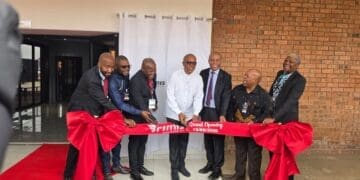
The company was among eight black-owned enterprises launched last week during the Northern Cape Investment and Jobs Conference, an initiative aimed at driving investment, job creation and inclusive economic growth across the province.
Collectively, the businesses have already contributed to the creation of 229 jobs and sustained a further 110, highlighting the impact of development finance in supporting emerging enterprises.
Williams, a former SANParks wildlife specialist, has transitioned from public conservation services into private wildlife operations, building a company focused on wildlife capture, relocation and conservation support services.
National Geographic reports that Black ownership remains rare in the African safari industry, with only about 15% of operators across the continent being Black-owned. The report attributes this to historical land dispossession, limited access to capital, and long-standing structural barriers within the sector.
Within this context, i4 Wildlife’s selection as one of the businesses supported through the National Empowerment Fund (NEF) and the Northern Cape Provincial Government places it within broader efforts to transform participation in the biodiversity economy.
The conservation and wildlife management sector forms part of South Africa’s broader biodiversity economy, which is linked to tourism, land use and rural development.
According to the Department of Forestry, Fisheries and the Environment (DFFE), biodiversity-related industries support conservation outcomes while also contributing to economic activity in both protected and private wildlife areas.
The wildlife economy in South Africa continues to show limited but growing participation from black-owned businesses, particularly in specialised areas such as wildlife capture, game management and conservation services.
Entry into the sector remains highly technical and capital-intensive, requiring specialised skills, regulatory compliance and significant operational resources.
i4 Wildlife currently employs 15 temporary workers and contributes to over 500 indirect jobs, extending its economic footprint beyond its immediate operations.
For Williams, the recognition marks a significant milestone in a career built over decades in wildlife management.
“As an emerging wildlife entrepreneur it supported me to become more competitive in the wildlife industry,” he said.
Williams brings more than 25 years of experience in wildlife conservation and management, beginning his career in 1995 at South African National Parks (SANParks) as a research technician within the Scientific Services unit.
This long career in conservation laid the foundation for the establishment of i4 Wildlife, a multi-disciplinary wildlife services company focused on delivering technical and ethical wildlife management solutions.
The company’s core services include wildlife capture and transportation, aerial census operations, wildlife culling, consultation and research, as well as training and skills development programmes.
i4 Wildlife operates with a team that collectively has more than 40 years of combined industry experience and is equipped with specialised vehicles and capture equipment designed for complex wildlife operations.
The company operates in a highly technical segment of the conservation industry, using a range of methods, including plastic boma and net capture systems, to safely manage and relocate wildlife. It also conducts chemical capture operations, which involve the safe sedation and handling of animals under controlled conditions.
Beyond its technical work, i4 Wildlife positions itself as a purpose-driven company that aims to connect humanity with wildlife while promoting empathy, respect and sustainable conservation practices.
Williams said the business is built on both industry expertise and a broader vision for impact.
“I aim to grow the company as a premier wildlife management entity and to own my own game farm,” he said.