

















































Spaza shop owners across Limpopo are being urged to understand the legal and business implications of hosting gambling machines, as authorities intensify enforcement against illegal operations in township and rural areas.
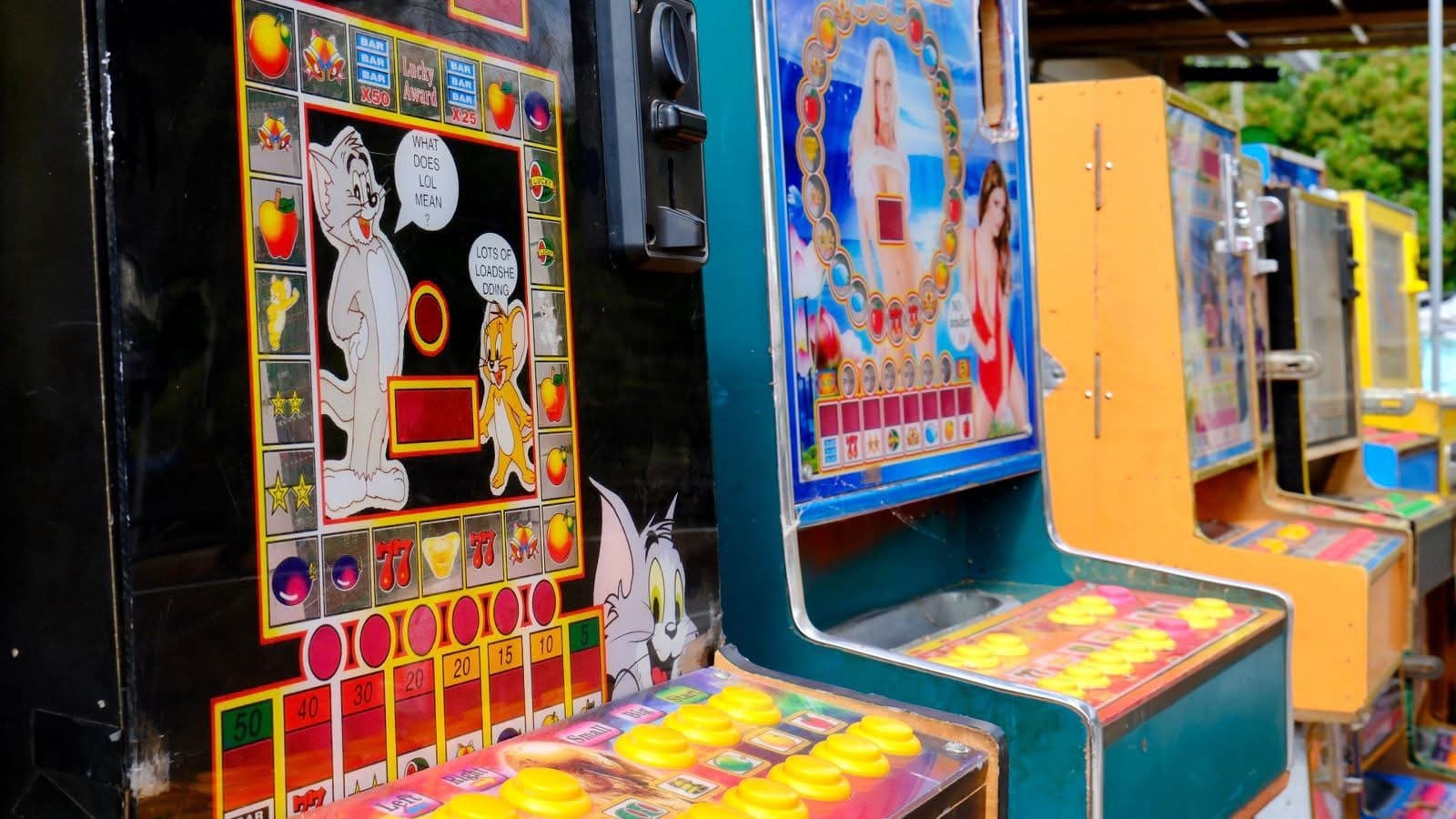
This follows a recent crackdown led by the Limpopo Gambling Board (LGB), in partnership with the Limpopo Economic Development, Environment and Tourism (LEDET) department and the South African Police Service (SAPS), which saw more than 200 illegal gambling machines destroyed in Polokwane.
The operation forms part of ongoing enforcement under the Limpopo Gambling Act No.3 of 2013.
Many of the confiscated machines were found in spaza shops and informal trading spaces, highlighting growing compliance risks for small business operators.
The Limpopo Gambling Board (LGB) said enforcement is being supported by awareness campaigns targeting spaza shop owners and informal traders.
LGB CEO Gregory Makoko has warned that illegal gambling activity poses serious risks for small business operators.
“The consequences of such activities will soon result in the temporary or permanent closure of spaza shops as well as possible withdrawal of spaza shop licences,” he said.
Authorities said the approach combines enforcement with education, as some operators were found to be unaware of the legal implications of hosting gambling machines.
Compliance risks and business consequences
Authorities said many small business owners install or allow gambling machines without fully understanding the legal implications.
Beyond legal penalties, illegal gambling also exposes businesses to broader risks, including links to organised crime and financial misconduct.
Brigadier Sakie Bronco from the SAPS Organised Crime Unit in Limpopo said these operations often form part of wider criminal networks.
“It not only deprives the government of legitimate revenue, but also exposes vulnerable communities to exploitation by criminal networks. These unlawful activities weaken the local economy and are often linked to crimes such as fraud and money laundering,” he said.
Officials said this creates both reputational and operational risks for spaza shop owners, particularly those operating in already vulnerable township economies.
Crime networks policing and environmental recovery efforts
Authorities warned that illegal gambling operations are often supported by organised networks involving local and foreign actors distributing machines across towns and villages, often under cover of night.
Between July 2025 and March 2026, joint operations between the LGB and the South African Police Service led to the confiscation of 241 illegal gambling machines across the province, forming part of a wider enforcement drive targeting illegal gambling activity.
Authorities also recorded R47,000 in admission-of-guilt fines during the financial year as part of enforcement action linked to non-compliance.
The South African Police Service said its partnership with the LGB is strengthening efforts to combat related crimes, including fraud, money laundering and organised criminal activity.
E-waste stakeholders also highlighted the environmental benefits of the operation.
Cirienne Janse van Rensburg said responsible recycling supports broader sustainability goals.
“This presents an opportunity to protect communities and the environment, while also recovering valuable materials, creating local jobs, and supporting economic activities,” she said.
She added that responsible disposal ensures environmental compliance in the destruction process.
“By ensuring these machines are responsibly recycled, we protect both our communities and the environment,” she said.
What spaza shop owners should do next
Authorities are urging spaza shop operators to ensure that any gambling machines on their premises are legally licensed and compliant with provincial regulations.
They also caution against hosting machines supplied through informal or unknown networks, as these are often linked to illegal operations.
Business owners are encouraged to seek guidance from the LGB on compliance requirements and to report any suspicious or unlawful gambling activities.
The LGB said enforcement and awareness campaigns will continue across the province as part of efforts to strengthen compliance and protect small businesses.
Matibe said the broader goal is to create safer and more sustainable business environments.
“Today we are not just destroying machines, we are reclaiming our communities, protecting our children, and affirming our commitment to a lawful and responsible economic environment,” he said.