













































South Africa’s small business sector is entering what many entrepreneurs fear could become one of its most difficult operating periods in recent years, as weak economic growth, mounting cost pressures and long-standing regulatory obstacles begin to hit at the same time.
For SMEs that were hoping 2026 would bring stronger demand and better trading conditions, the outlook has become more cautious, with many owners now prioritising survival, profitability and cash flow discipline over expansion.
The International Monetary Fund recently downgraded South Africa’s 2026 growth forecast to 1.0%, a sharp reminder of how fragile the domestic economy remains. Lower growth typically means weaker consumer demand, slower business activity and fewer new opportunities for smaller firms that depend heavily on local spending.
Subdued growth also makes it harder for many SMEs to raise prices, attract new clients or justify taking on debt to expand operations
That softer outlook is already influencing decision-making inside small businesses. Owners who previously planned to hire staff, buy vehicles, open branches or increase stock levels are now reassessing those ambitions. Instead, many are focusing on reducing unnecessary costs, protecting margins and building enough liquidity to withstand further economic shocks should trading conditions worsen over the next few quarters.
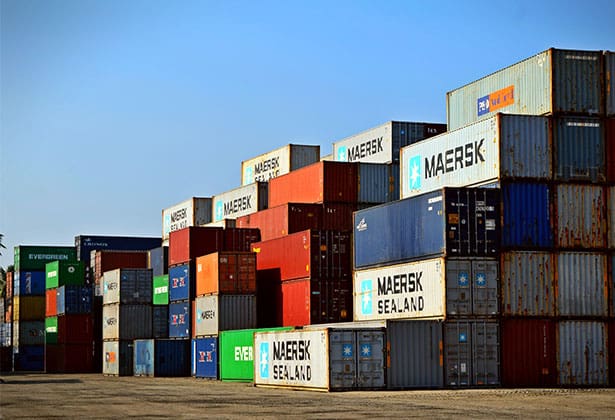
At the same time, SMEs are facing renewed pressure from borrowing costs and supply chain expenses. Expectations of a possible interest rate increase, combined with new logistics charges entering the market, have deepened concern that 2026 may become less about growth and more about careful financial management for thousands of smaller enterprises across the country.
Stability replaces expansion plans
New findings from Xero’s 2026 State of South African Small Business report show that 84% of SMEs are now prioritising financial stability and stronger operational foundations over aggressive growth. The numbers suggest a significant shift in sentiment among business owners, many of whom entered the year hoping for a rebound in confidence but are now preparing for slower conditions and tighter margins.
Prioritising stability often means delaying major purchases for SMEs, limiting new hires, tightening credit terms with customers and reviewing every monthly expense. While those decisions may protect businesses in the short term, they can also slow investment, hiring and broader economic activity, creating a cycle where caution feeds weaker growth.
Ndivhuwo Rasivhetshele, owner of a Johannesburg-based office supplies company serving corporate clients, said his business has moved into a more defensive posture this year.
“Last year, we were looking at adding another delivery vehicle and increasing our sales team because we expected stronger demand. This year, the focus is very different. We are protecting cash flow, reducing waste and making sure every expense creates measurable value,” he said.
Rasivhetshele said small businesses can no longer afford costly mistakes in a sluggish economy.
“When growth is slow, errors become expensive very quickly. You have to be disciplined, faster in decision-making and much more careful with where you put your money. Expansion is still possible, but only if the numbers make complete sense.”