
































Businesses are set to see a stronger focus on investment, growth and job creation as Phase 3 of the government-business partnership targets more than 3% economic growth and one million new jobs by 2030.
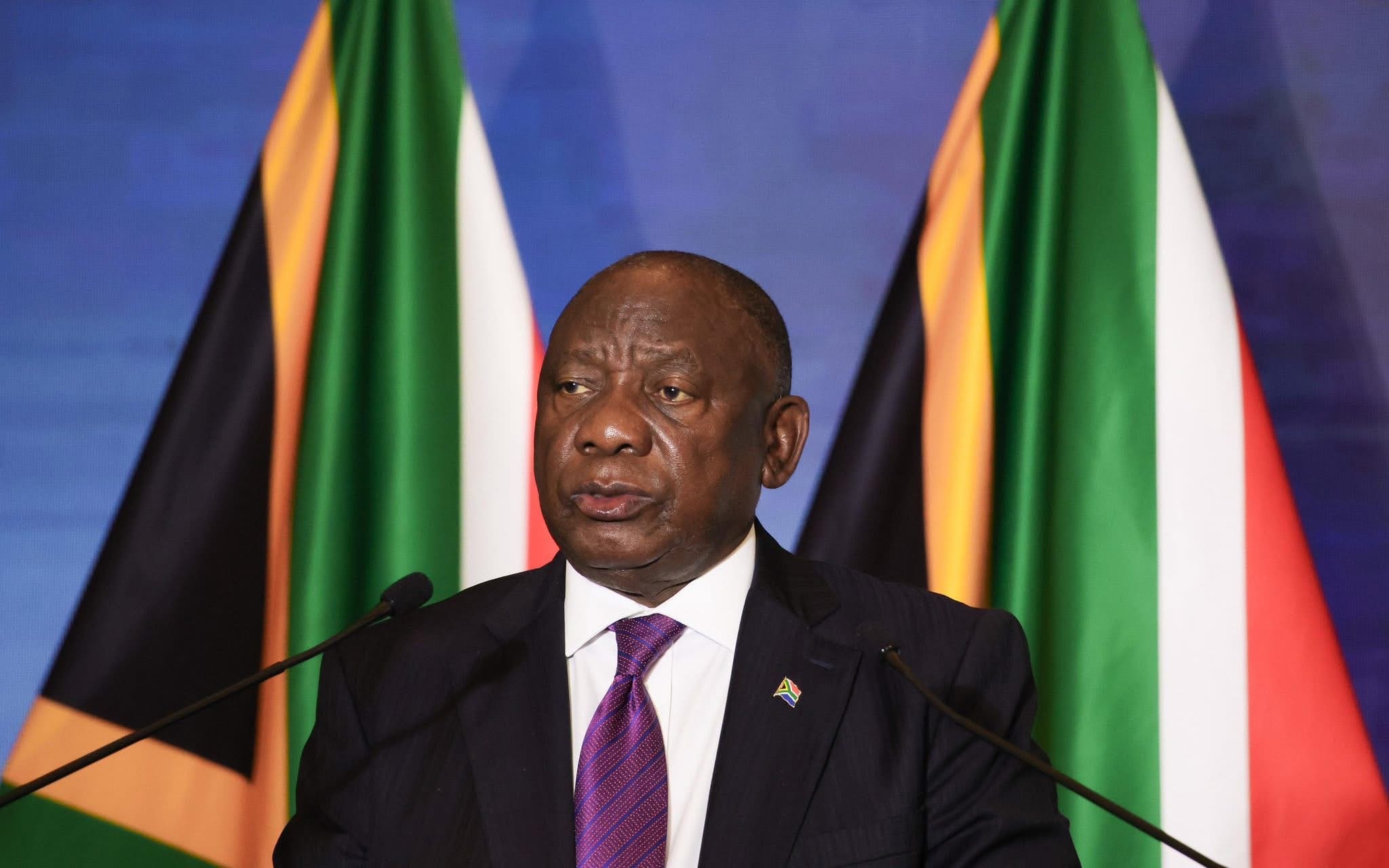
President Cyril Ramaphosa launched the new phase in Johannesburg on Thursday, expanding the partnership’s focus from four areas to 10, including mining, agriculture, tourism, infrastructure, energy and logistics.
“Phase one was about stabilisation. Phase two was about reform, beginning to address the whole process of reform. And phase three must now be about growth,” Ramaphosa said.
The expanded programme also includes crime and corruption, youth employment, the City of Johannesburg and efforts to strengthen the country’s economic narrative.
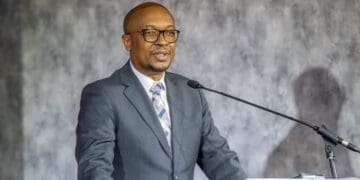
Adrian Gore, Discovery Group CEO and co-convener of the business delegation, said the progress already made has created a base to push growth further.
“Load shedding has ended, logistics are recovering, our credibility is being restored, the green shoots are real, and they prove that when business and government work together, this country solves problems many believed unsolvable,” Gore said.
Growth needs to reach the wider economy
Mining, agriculture, tourism and infrastructure have been identified as key sectors for attracting investment, growing exports and creating jobs.
The opportunities also extend to smaller businesses through supply chains, construction, logistics, tourism services and agricultural processing.
Ramaphosa said the composition of growth matters as much as the rate at which the economy expands.
“We need growth that is labour intensive, as we’ve heard. We need growth that expands our industrial capacity, and we need growth that supports small and medium enterprises, black industrialists, women-owned businesses and businesses owned by young people,” he said.
He also said growth needs to reach rural communities, townships and small towns rather than remaining concentrated in established economic centres.
The international market is another part of the opportunity. Critical minerals, agriculture, renewable energy and changing global production networks are creating areas where local companies can compete, while South African businesses already operating across the continent provide links into regional markets.
Investment depends on reliable infrastructure
Energy and logistics remain important parts of the partnership because they directly affect the cost and reliability of doing business.
The end of load shedding has improved operating conditions, while rail and port performance has started to recover. Private investment in new electricity generation has also increased, and steps are being taken towards a more competitive electricity market.
But the improvements do not mean the work is finished.
“We must not confuse the absence of load shedding with the completion of energy reform,” Ramaphosa said, pointing to the need to expand the transmission grid, bring new generation capacity online, address municipal electricity distribution and keep electricity affordable.
Logistics faces a similar test. Rail access agreements with private operators are intended to bring additional investment and capacity into the freight system, while mines, farms and factories remain dependent on ports and rail that can move goods efficiently and at competitive costs.
Crime and corruption also remain part of the programme because they influence business confidence, investment decisions and operating costs.
One million jobs puts the focus on results
The employment target gives Phase 3 a measurable outcome.
Gore said around 300,000 people enter the labour market each year, meaning the economy needs to create at least that number of jobs annually simply to prevent unemployment from rising.
“So we have to find a way to create 300,000 jobs a year, else we’re going backwards,” he said.
That makes the relationship between investment and job creation particularly important. New capital needs to translate into expanded production, new suppliers, stronger value chains and additional hiring rather than remaining concentrated in a limited number of large projects.
Ramaphosa said the partnership should ultimately be judged by what changes in the economy and in people’s lives.
“The true measure of the reform that we’ve embarked upon is not the number of policies that we announce, or the number of summits that we hold. It is the change that reform produces in people’s lives,” he said.